Directed by: Werner Herzog
Rating: 7 out of 10

The most beautiful thing in the movie is the playing of flute like instrument by an Indian. And then there is a good score combined with well shot scenes; trying to give the movie an enigmatic aura but, somewhat, failed. The storyline and acting couldn’t cope up with the rest — which is of course the social and philosophical points which the movie tries to convey. There is authenticity and truth; there are paradoxes and ironies; blind, egoistic, hoarding human shades in a micro amphitheater: an expeditious joinery for the riches of El Dorrado.
The history of Spanish expeditions and inquisition is well known. What’s less known is the sheer level of violence committed in the name of who knows what. Almost extinction of the native population; I have heard the only time when global temperature declined was the century of American exploration or exploitation because the native population was nearly wiped out: whole generations with their culture lost.
Whenever I read about this part of history I wonder what were the conquerors thinking while this slaughter was going on. I would like to read their stream of consciousness. Did they feel any ‘pangs of consciousness’ in the later part of their life as Dostoevsky’s characters feel. I think Herzog has tried to emulate that blindness with his main character, Aquirre. Blind thirst for material riches bound to be doomed one way or the other.
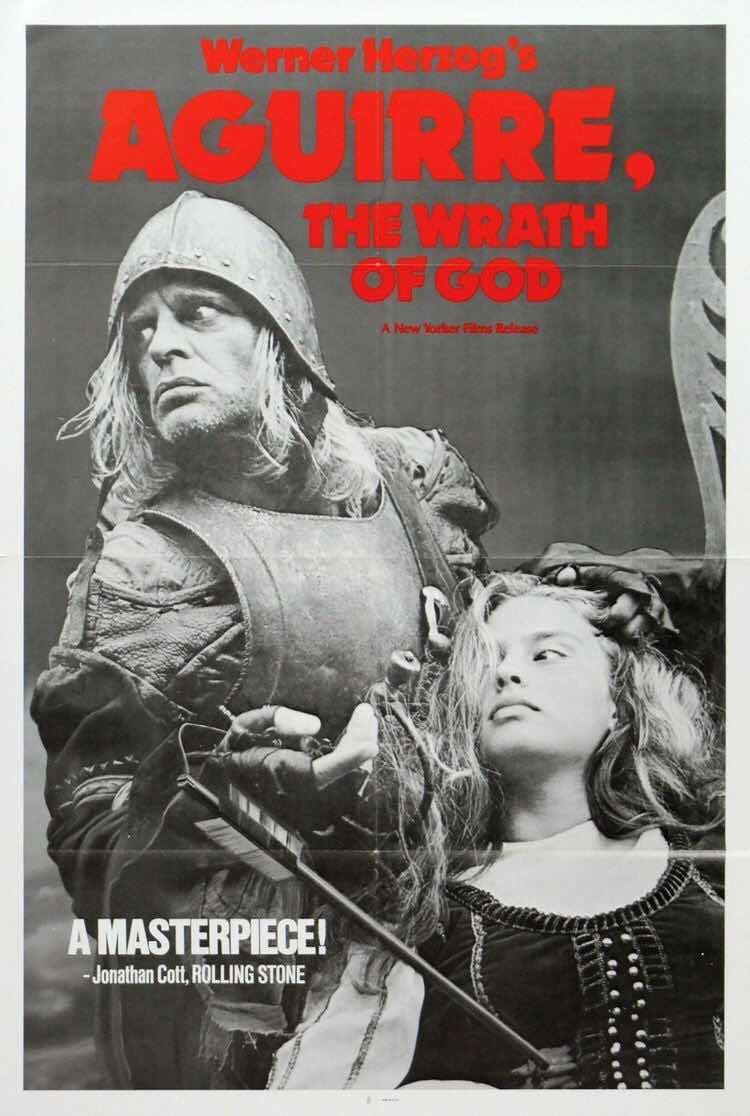
Another interesting point for me in this movie is Aquirre’s daughter. Why he brought her with him all the way into the expedition. Probably it’s as he blurts out in the end while hallucinating. Maybe he was hallucinating all his life. Maybe he was just blind to his hallucination. Is this what the ego can do. The self deep into itself, becoming apathetic to what’s real.


No comments:
Post a Comment